laboratoire écologie et art pour une société en transition
Devenirs buissons
Devenirs buissons is a co-creative artistic initiative that aims to strengthen social cohesion by inventing sensitive and inclusive frameworks that promote a sense of belonging and community living.
The Buissonnets site in Versoix (GE) is an urban wasteland, a space located between residential villas and social housing. This area, where different social realities coexist, constitutes what the book La Ville relationnelle calls a space of programmatic freedom, a fallow place conducive to experimenting with new ways of living together.
Devenirs buissons proposes to activate this place collectively and symbolically, through forms of visual art and temporary architecture carried out in collaboration with residents, associations, institutions, and researchers from various disciplines. Through their unique and poetic forms, these interventions seek to spark narratives, uses, and imaginations that could not blossom in the shadow of large-scale traditional urban planning programs.
The wasteland becomes a third place, a welcoming intermediate space, located between home and work, where informal social ties can be re-established. This type of socially fertile environment helps to produce “creative germinations” — new forms of cohabitation, shared governance, and conviviality.
Through art and situated practices, Devenirs buissons asserts that the “right to the city” is also a right to imagination, a right to dream, invent, and re-enchant the places we inhabit.
From 17 August to 20 September, the Buissonnets site in Versoix (Route de Suisse 112–114) is hosting a creative, friendly summer residency, open to everyone!
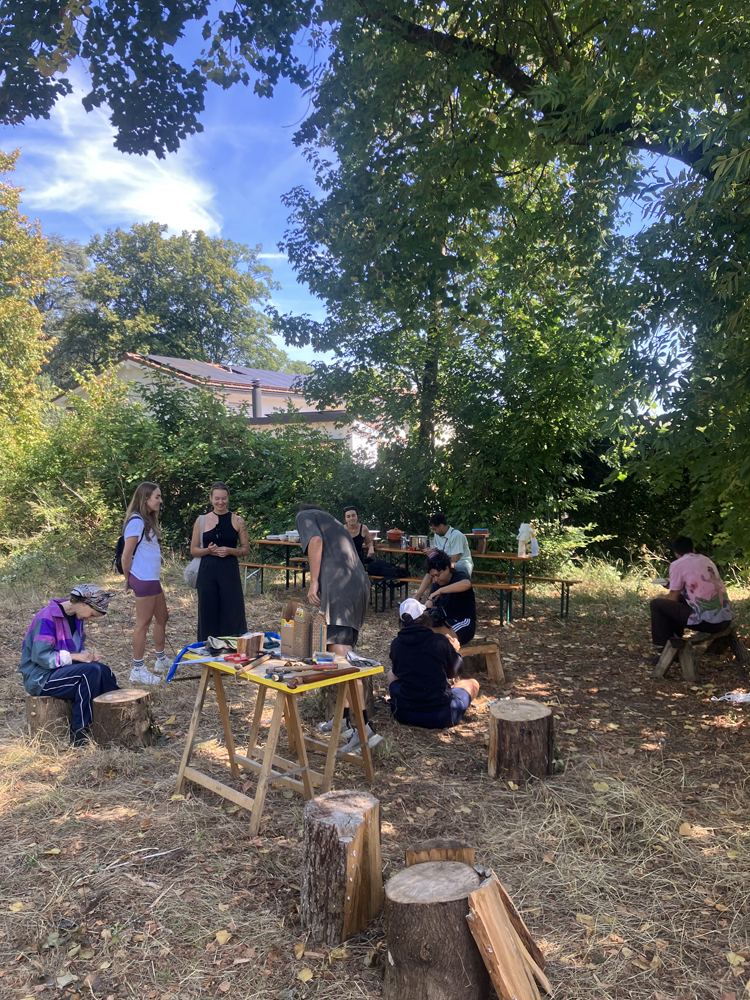
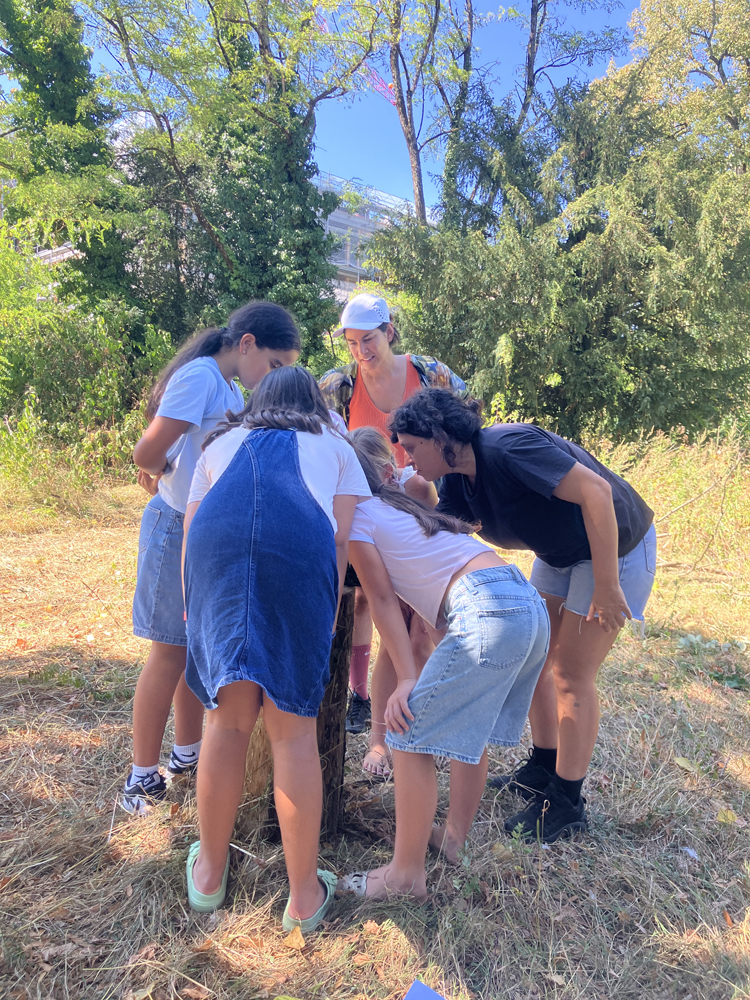
Through a series of workshops, walks and gatherings, the residency invites participants to explore this evolving area through collective creation and various participatory artistic practices.
All activities are free and open to everyone, with no specific requirements.
The detailed programme can be found: here.
For more information, please email us at production@least.eco

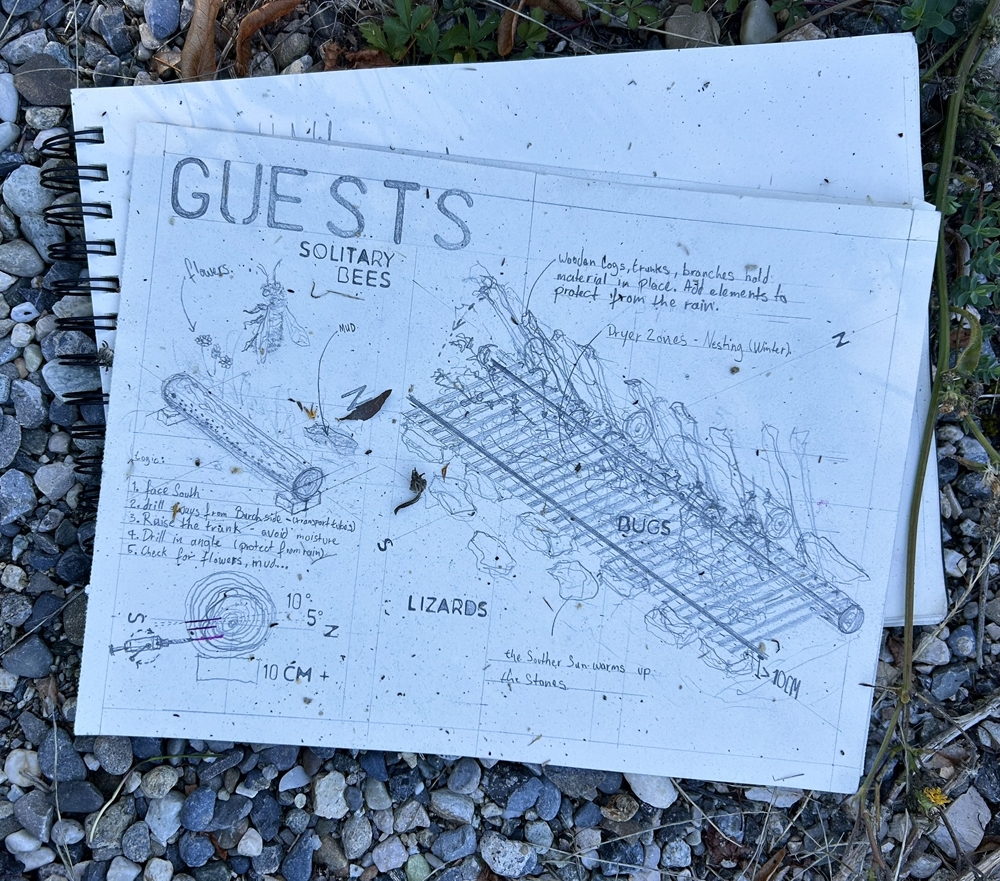
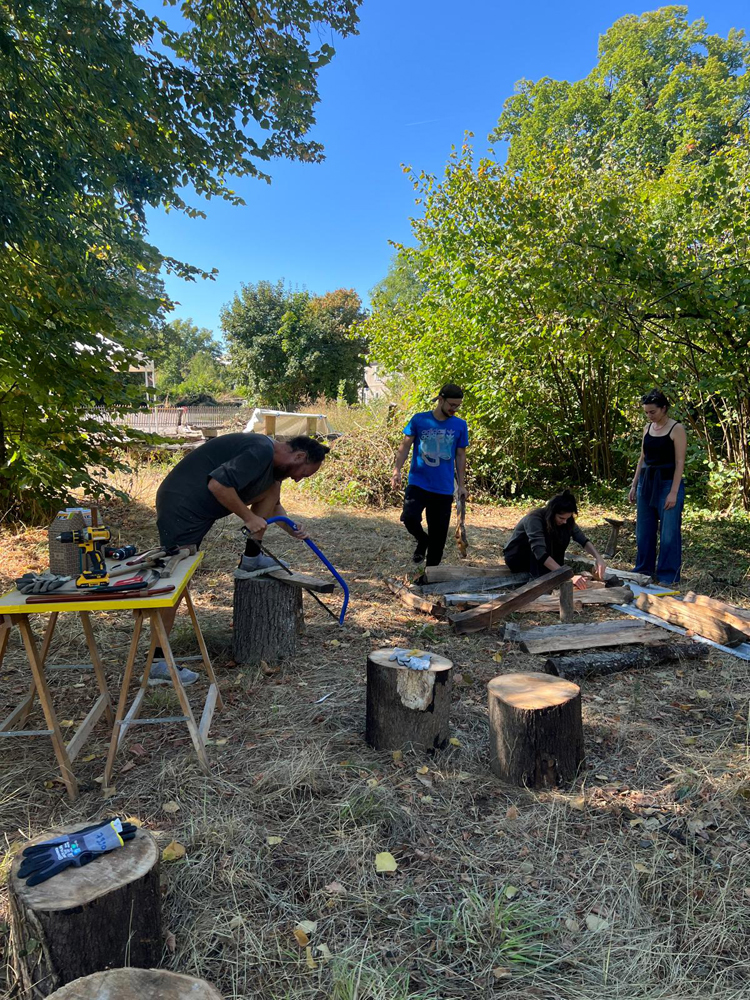
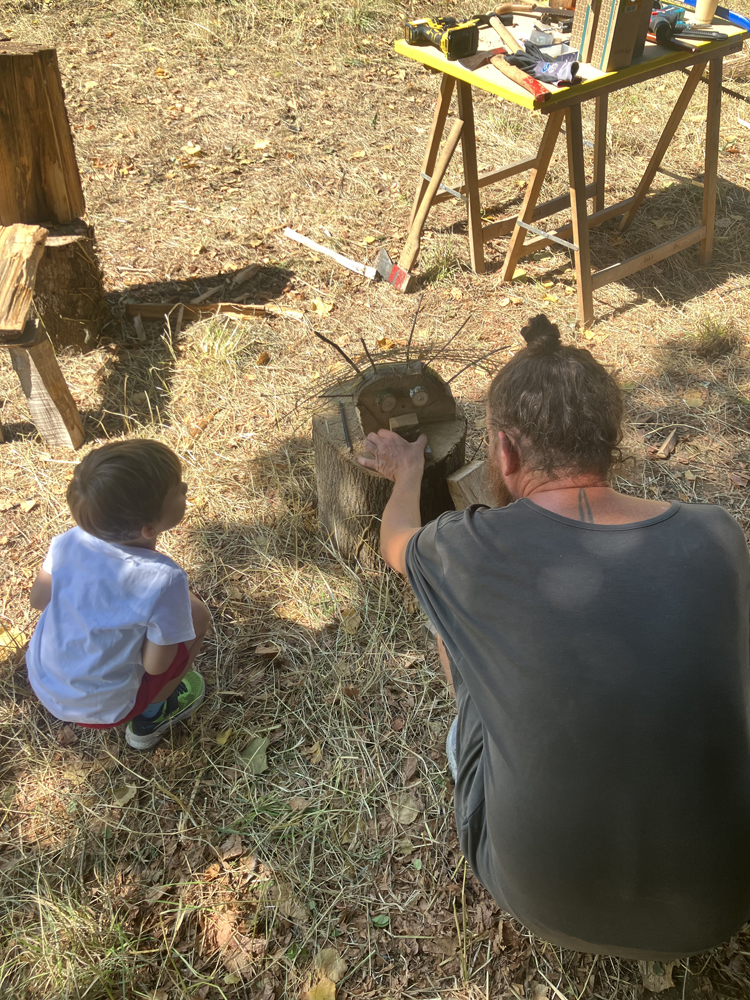
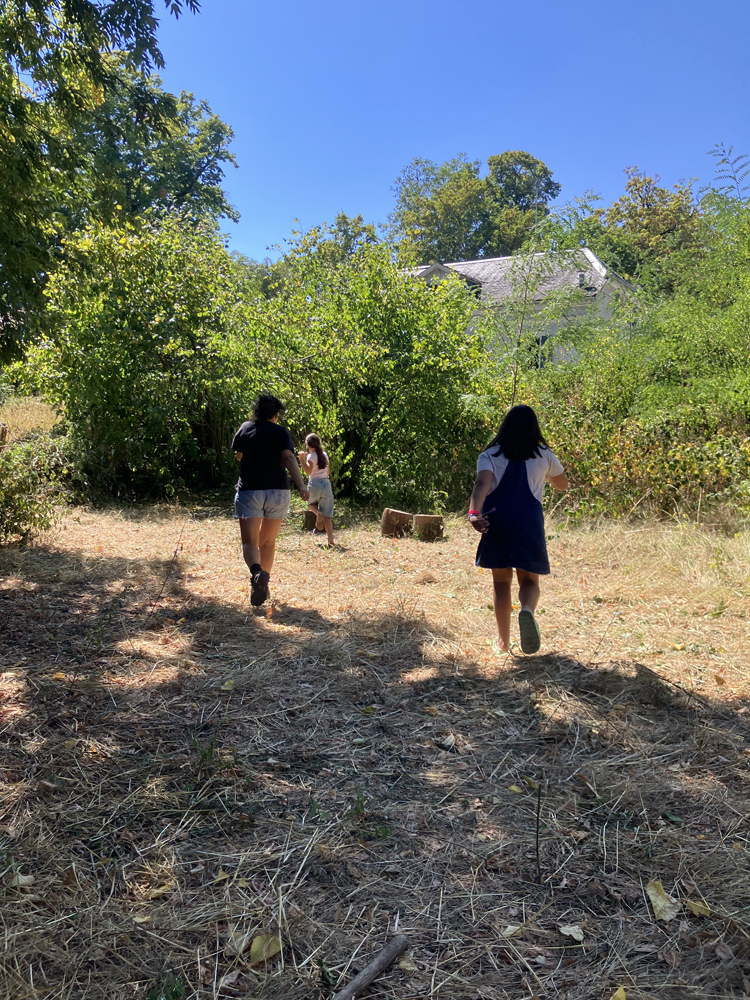
what we’ve done
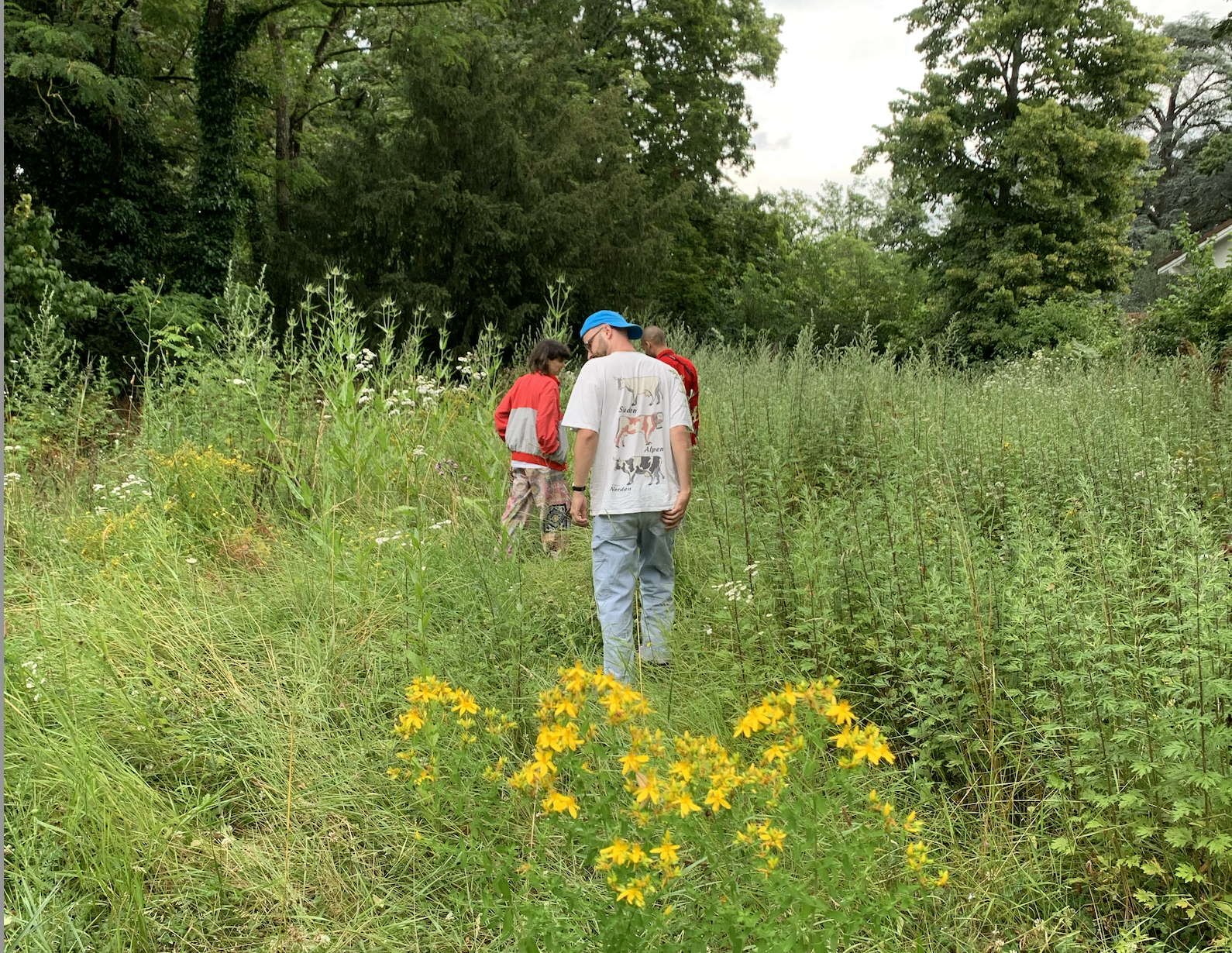
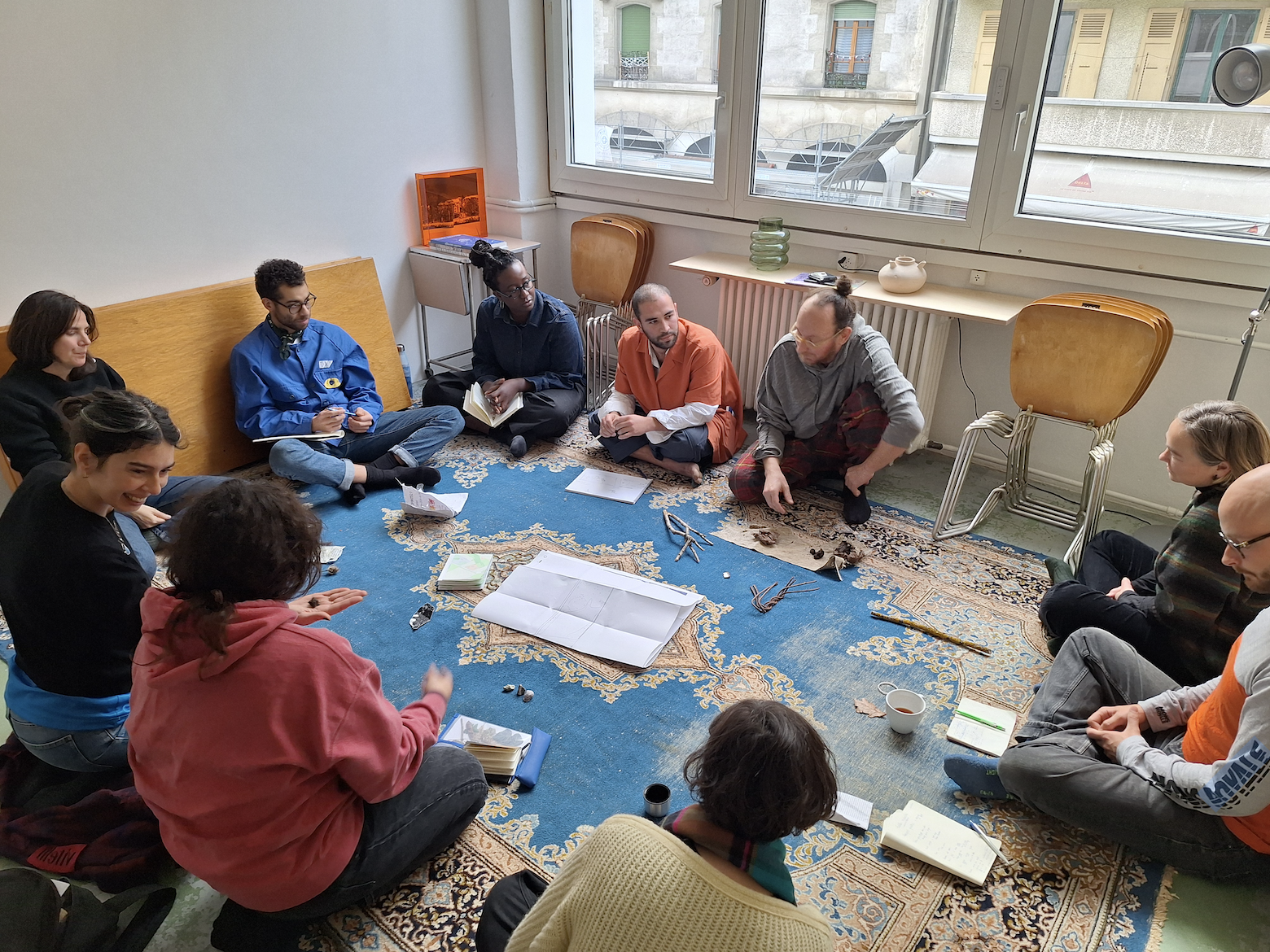
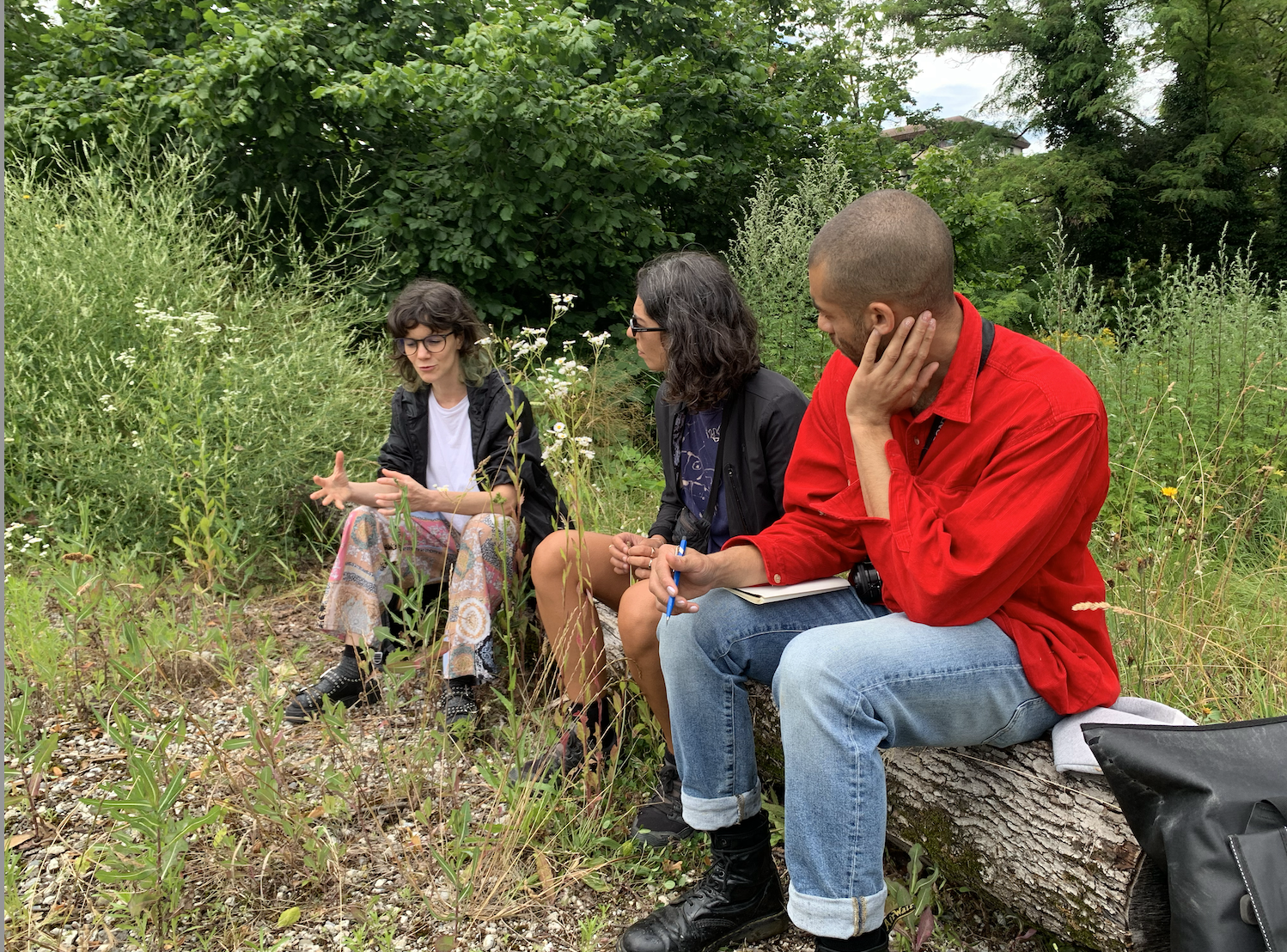
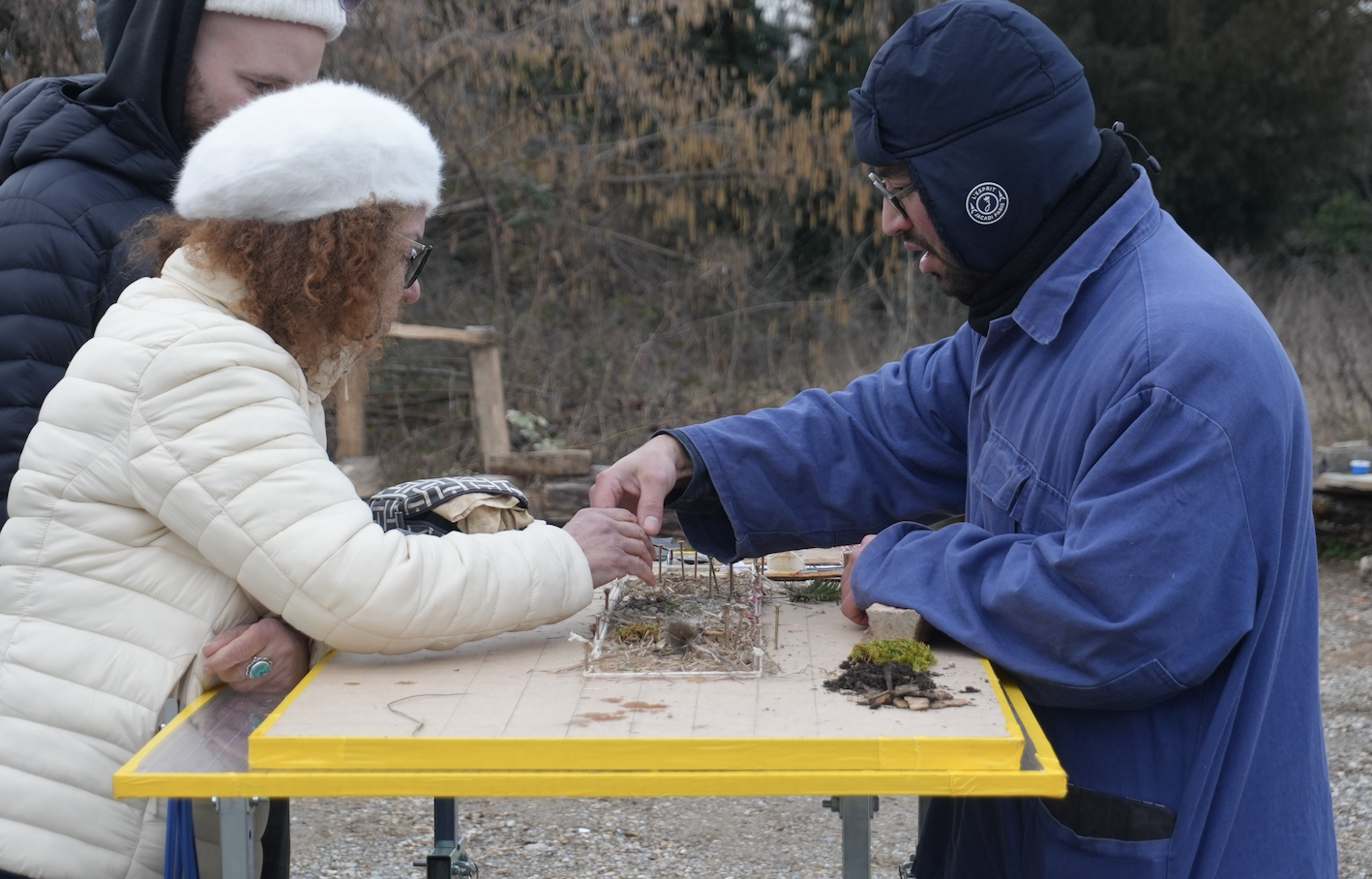
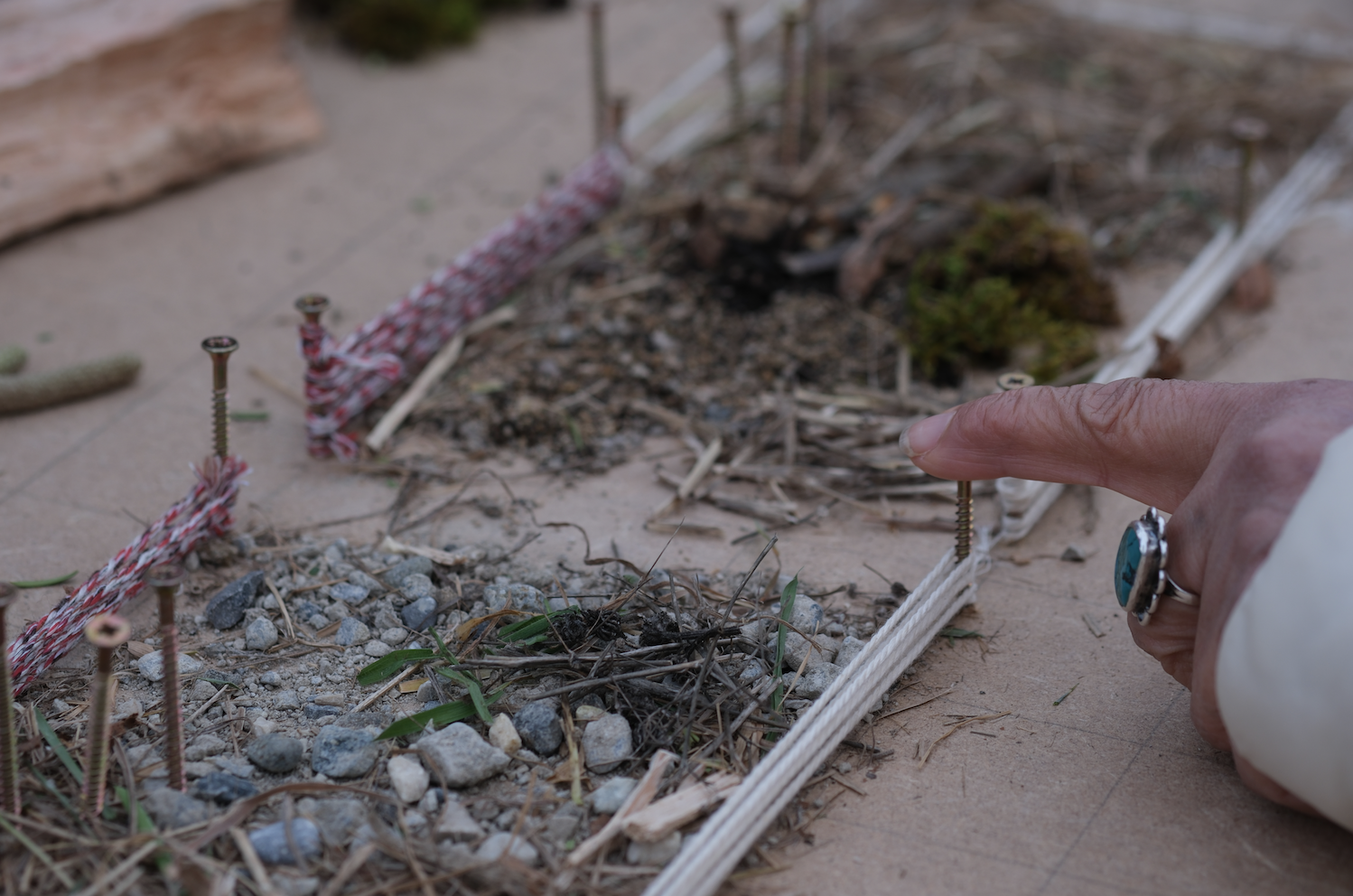
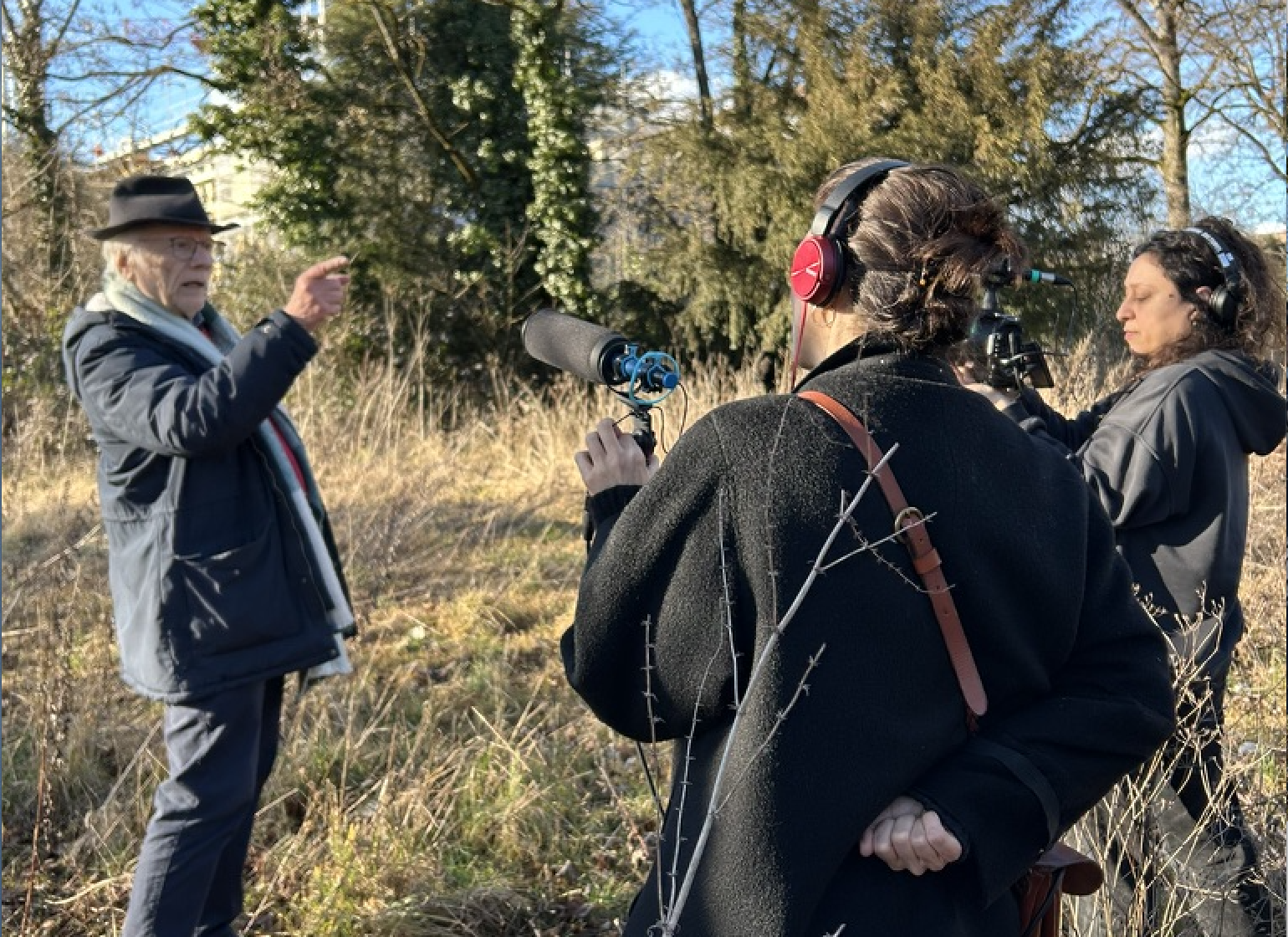
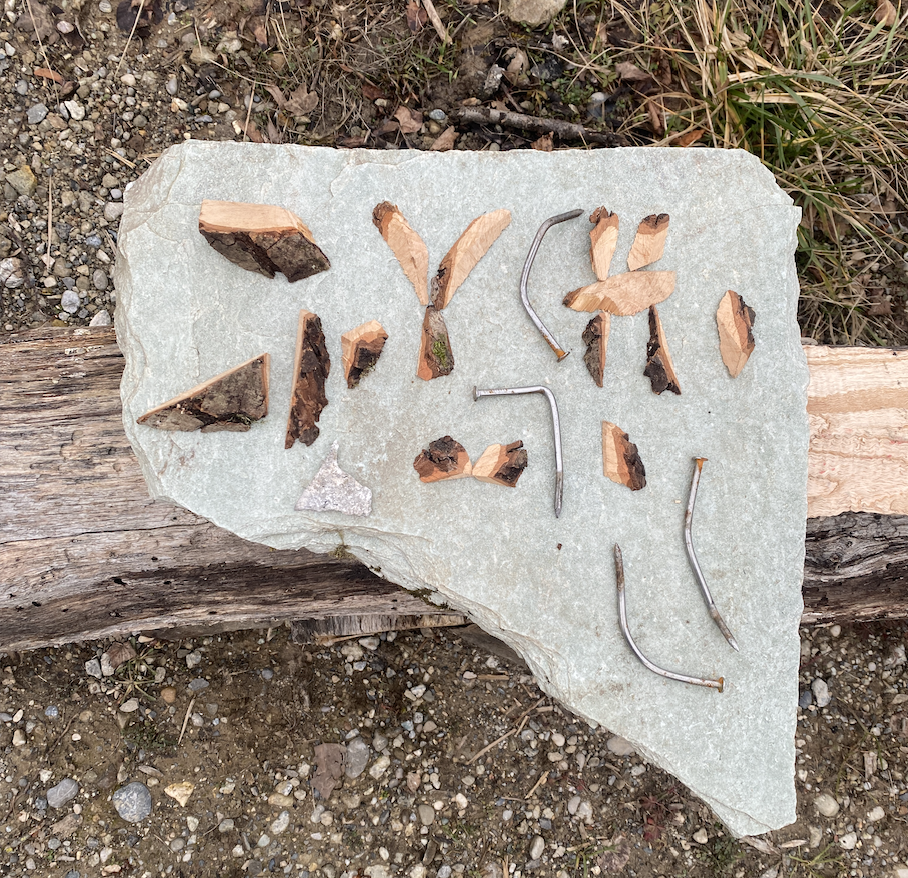
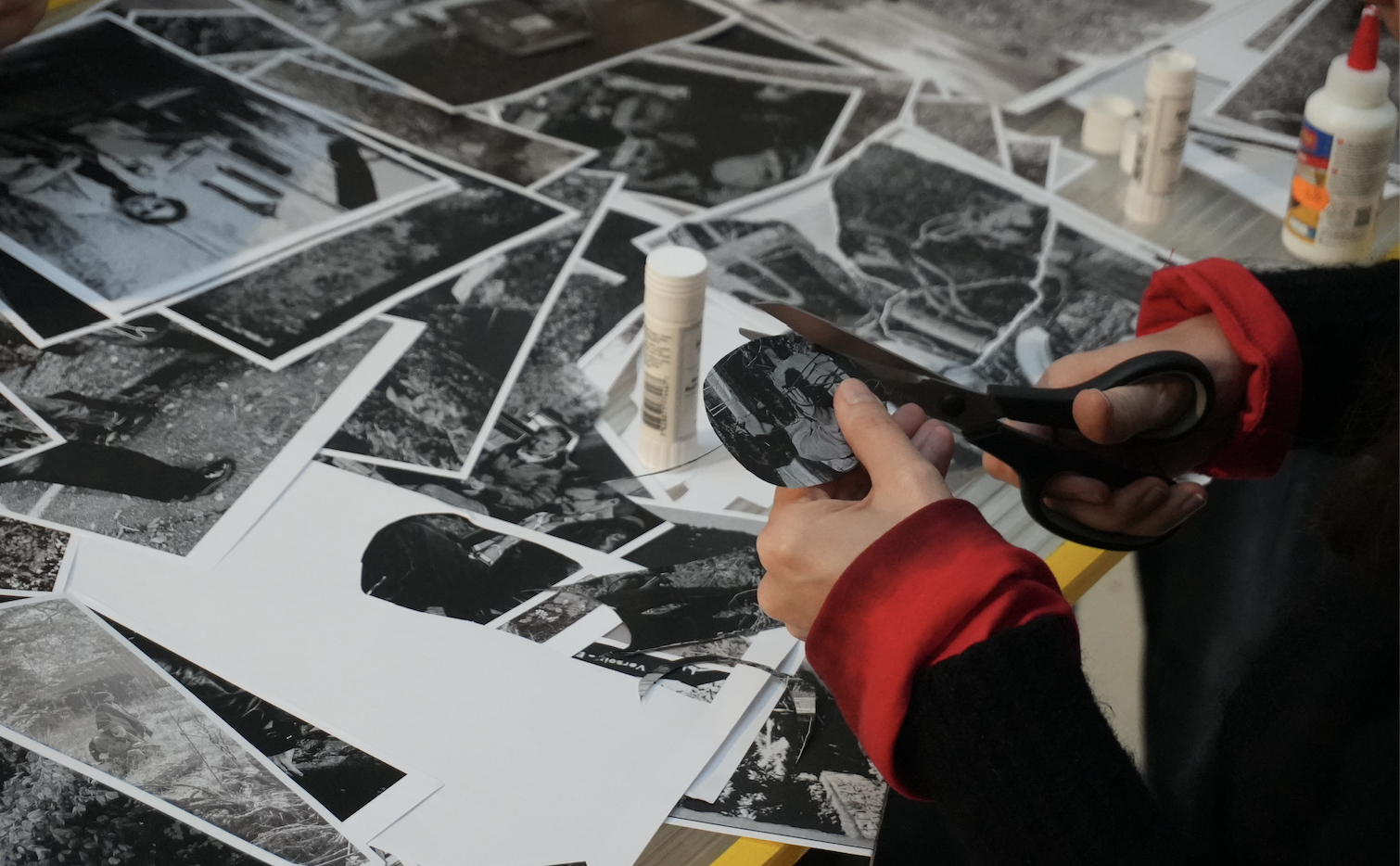
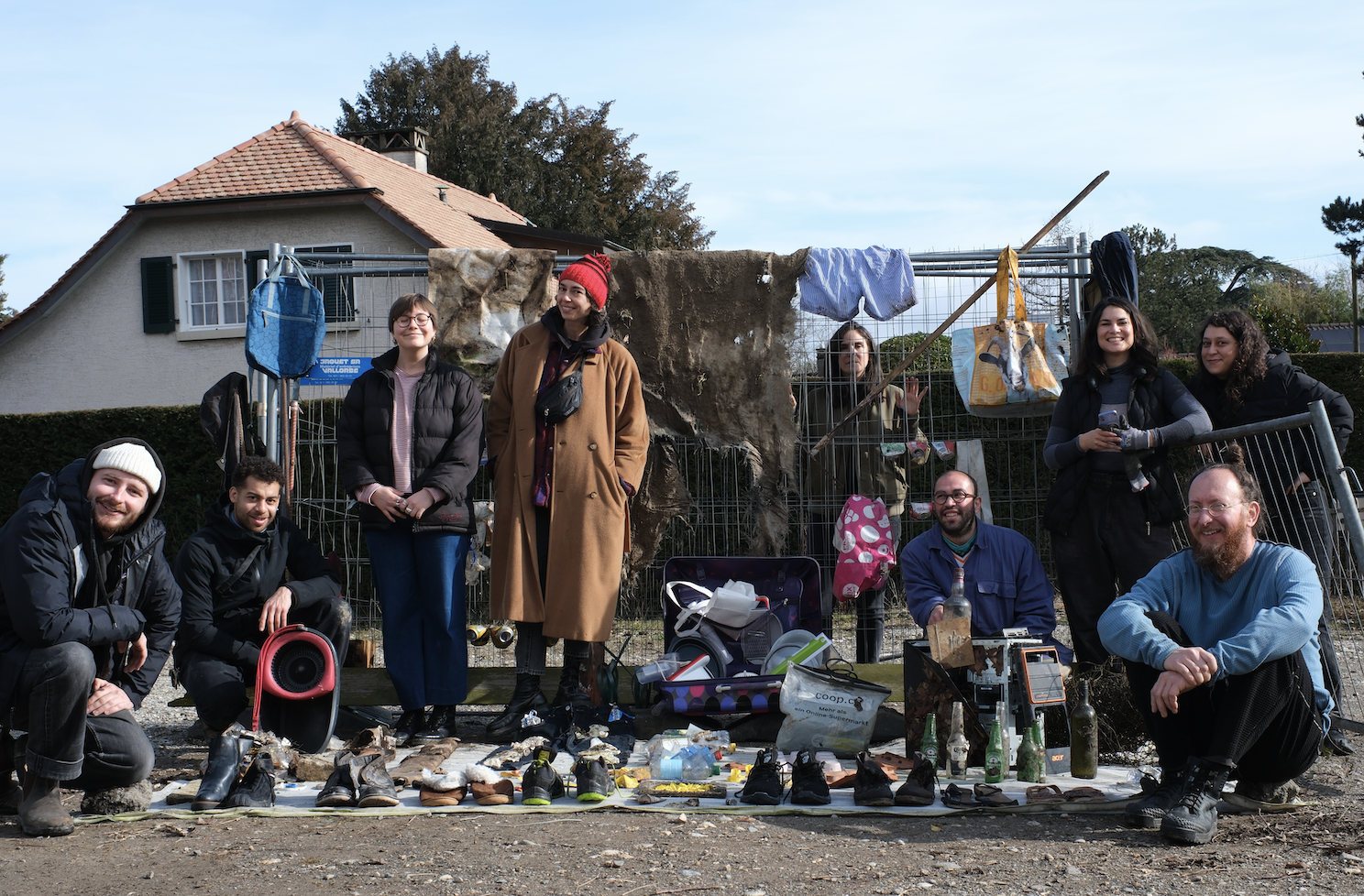
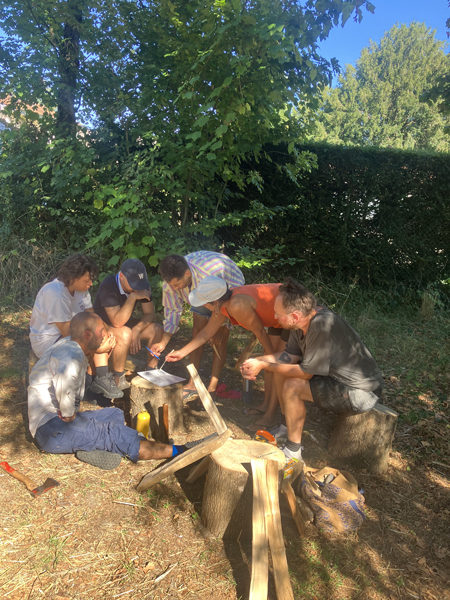
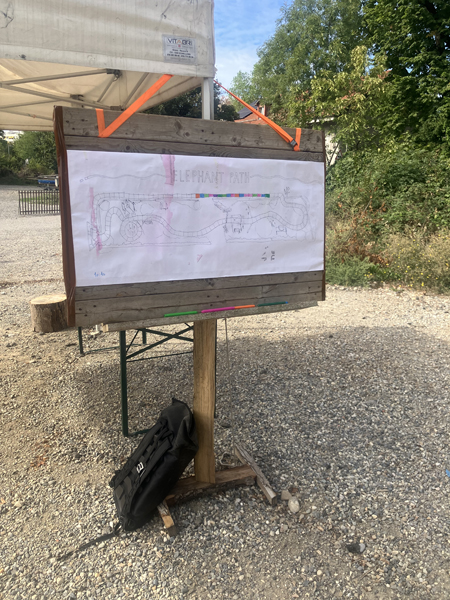
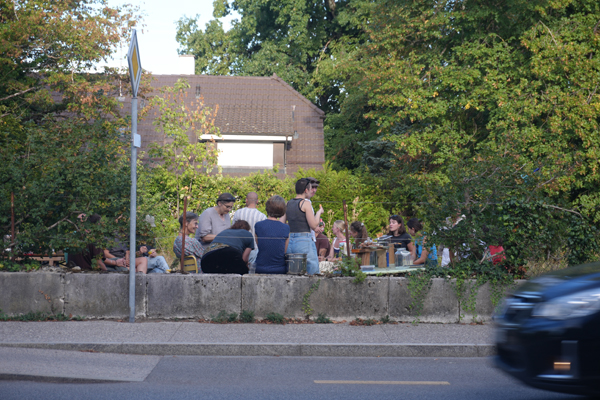
In 2025, the co-creative teams — bringing together artists and field experts — met for an initial collaborative laboratory. They then undertook two site visits and immersive residencies at different times of year, enabling them to explore the site, share their intentions and lay the sensory, social and conceptual foundations for the co-creation process.
They are supported by architects and engage with a range of specialists (biologists, botanists, historians, archivists and local stakeholders) while also building connections with residents.
In this way, the artists deepen their understanding of the local context through social, political and anthropological perspectives, addressing themes such as migration, urban transformation, diversity, collective memory and territorial tensions.
what we’re doing
In 2026, the teams will continue the co-creative laboratory on the Buissonnets site. Project participants will engage more deeply with the site’s sensibility, its rhythms and its multiple layers of meaning.
At the same time, they will further cultivate a social dynamic around the site, strengthening ties with neighbouring communities by gathering their stories and impressions.
Drawing on these sensitive observations, the artists will pursue their situated co-creative research, exploring new avenues around a central question: how can the site be collectively inhabited today?
what’s next
Between August and September 2026, the artists will spend five weeks in Versoix developing their projects in co-creation with local residents and partners. During this period, the Buissonnets site will become a space for workshops, encounters and artistic experimentation.
The final week will culminate in a series of public, celebratory presentations, transforming a site once perceived as empty into a place shaped by collective memories and new urban meanings. As a testing ground for alternative ways of “making the city”, it will become a vessel for memories in the making, shared emotions and renewed forms of significance.
newsletter
All participatory actions and locations will be communicated on our website and via least’s newsletter.
transdisciplinary team
Giulia Angrisani – anthropologue
Canedicoda – artist
Marion Zurbach – artist
Carla Demierre - author
Collectif PromeNOODology – architects
Karen Pisoni – artist in residency at least
Françoise Dubosson - historian
Laurence Crémel – landscape architect (HEPIA – Paysage projet vivant)
Dieter Dietz and Léonore Nemec – architects (EPFL – Architecture Land Initiative)
Rodrigo Fernandez and Laurent de Wurstemberger – ingineer and architect (HEIA Fribourg – Terrabloc)
Deconstructing Public Space
Reading
An interview to Daniel Zamarbide of BUREAU, the collective at the intersection of architecture, design and research.
Se rencontrer sur le seuil
Devenirs buissons
Signs, traces, clues
Reading
Carlo Ginzburg and the evidential paradigm.
Devenirs buissons
Vivace
Se rencontrer sur le seuil
d'un champ à l'autre / von Feld zu Feld
Emergency and Cocreation
Reading
An interview with architect Antonella Vitale.
Sur le seuil
Devenirs buissons
Deconstructing Public Space
We interviewed Daniel Zamarbide, one of the key figures of BUREAU, a collective founded with Carine Pimenta and Galliane Zamarbide. Situated at the intersection of architecture, design and research, BUREAU develops a critical and immersive approach to space. As a member of the co-creative team behind the project Meeting on the Threshold, the collective explores, in particular, the relationships between public space, ephemeral interventions and contemporary transformations.
One of your axes of research concerns public space, a notion that encompasses a wide range of realities.
Traditionally, for architects and landscape designers, public space corresponds to the organisation of “voids”, the negative of the built environment, i.e. squares, parks or streets.
Your approach, however, extends beyond this definition.
Yes, we’re particularly interested in all that pertains to the ephemeral, a field in which we have long been engaged. This includes temporary installations, as well as interventions within festivals and other events that physically and concretely occupy public space. We also incorporate into this expanded understanding of public space everything relating to scenography and exhibition design: dispositifs that do not respond to a single commissioner or a fixed programme, but are conceived to host diverse audiences, often within the context of artistic or cultural events.
How much attention is currently given to the design of public space?
Public space is, in a sense, regarded as the “poor relation” of architecture and urbanism. There are moments when it acquires a certain prestige, for instance in the creation of large-scale parks, but, more often than not, it remains secondary. This is reflected very concretely in the budgets allocated to it, which are significantly lower than those devoted to infrastructure or buildings.
Why this disparity in consideration?
Because it is perceived as a non-productive space: public space doesn’t directly generate economic value. Housing, offices, even schools participate, in one way or another, in an economy. Public space, by contrast, doesn’t produce profit. It is for this reason that, for a time—up until around the 2000s—shopping centres were regarded as innovative forms of public squares, precisely because they generate revenue.
And now?
Over the past twenty years, there has been a significant rise in the temporary occupation of public space. It’s no coincidence that events such as the Venice Biennale, Art Basel or far more popular phenomena like food truck festivals have come to occupy public space on a large scale. One might read this as a desire—more or less conscious, more or less elitist or popular—to transform the city through means other than permanent intervention.
How do you account for the success of the ephemeral in contrast to more enduring projects?
Permanent interventions are bound up with weighty, often technocratic processes, marked by considerable inertia: protracted procedures, political entanglements, and reliance on substantial budgets. By contrast, ephemeral interventions have the capacity to transform the city with remarkable intensity, sometimes within the space of a single day, before disappearing altogether. This is what interests me: the possibility of acting swiftly, of generating sensory and collective effects without being tied to permanence.
In what ways have these dynamics of the ephemeral influenced contemporary urban practices?
Today, we speak of “tactical urbanism”, which draws directly on these logics: before implementing a permanent development, one tests the ground through temporary interventions, over the course of one or two years. This is also what we’re doing, for instance, with least in Champ-Fréchets for the Meeting on the Threshold project: testing, observing and adjusting.
This focus on the ephemeral nonetheless raises critical questions, particularly ecological ones.
Of course. Yet, over the long term, such interventions may prove less impactful than certain permanent transformations of public space as they are currently conceived. I see this approach from two angles. On the one hand, it’s highly compelling: it enables experimentation, openness and even a form of resistance to the rigidity of traditional processes. On the other, it can also become a kind of “ruse”. Because these interventions are less costly, some administrations use them to ease their conscience: they stage temporary actions, speak the language of participation and then go on to implement a project that has already been decided.
So there’s both genuine value and a risk of co-option?
More broadly, I think there’s a fundamental problem of temporality within urbanism. Procedures are extremely slow, while social transformations are increasingly rapid. It’s almost impossible for a project that is conceived now to genuinely respond to needs fifteen or twenty years down the line. And yet, these are precisely the timeframes required for its realisation. Over such a duration, needs, uses and expectations may shift entirely. Therefore, there’s a profound disjunction between administrative temporalities and social transformations, particularly in relation to issues such as climate change and the living world.
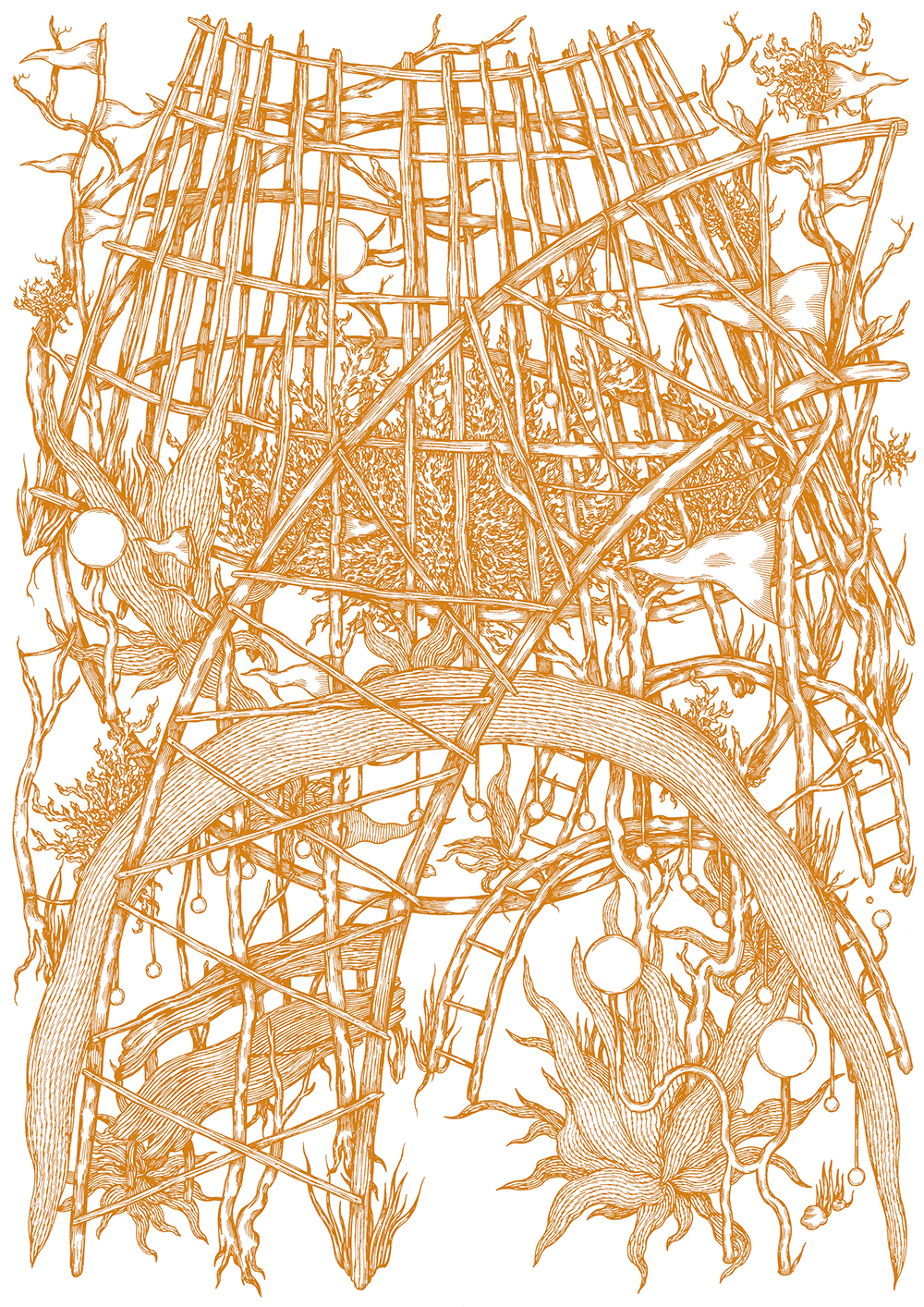
Drawing: ©Anaëlle Clot.
In this context, does your practice develop specific strategies to engage with this complexity—uses, human presence, but also other forms of life?
For a long time—and this is still often the case today—public space was heavily mineralised. This responds to a logic of control: the more mineral a space, the easier it is to regulate. It’s an almost hygienist logic, i.e. controlling uses, but also the living—plants, animals, micro-organisms—which are considered difficult to manage. The living entails maintenance, uncertainty and complexity.
For our part, we seek to conceive public space not solely from a human perspective, but as an environment shared among multiple forms of life. These questions are central to our pedagogical practice, where we endeavour, in particular, not to confine ourselves to a purely visual approach. This has a compelling impact, especially among younger architects and designers.
You work in very different contexts, in both Switzerland and Portugal. Does your practice include forms of collaboration with local communities?
We’re increasingly trying to develop what might be simply described as a form of immersion. We seek to spend more time on site, to observe, to understand uses, to carve out time, within often constrained processes, to be genuinely present in places and with the people who inhabit them. This type of approach is common in sociology or anthropology but remains relatively marginal within architecture and urbanism.
In your view, what have been the most significant shifts in the perception of public space in recent years?
I don’t have a definitive, overarching answer, but there’s a recent period that strikes me as particularly revealing: that of Covid. As many have observed, it functioned as a kind of large-scale laboratory of the future, for better and for worse.
What struck me most was the sudden importance of micro-situations in everyday life: the simple act of walking, the impromptu apéritif, relations with neighbours. Thresholds—balconies, doorways, in-between spaces linking interior and exterior—became essential.
Conversely, domestic space revealed itself to be deeply problematic for many. We know that during this period, domestic violence and feminicide increased. This demonstrates that such issues aren’t only social or cultural, but also spatial. The possibility of stepping outside, of accessing intermediate spaces, is fundamental, particularly in relation to dynamics of control often structured by gender.
At the same time, there was a kind of “return” of the living: animals reappeared in cities, vegetation developed differently, notably due to the reduction in traffic and pollution. All of this contributed to restoring the importance of outdoor space.
Yet, once the crisis had passed, a form of collective amnesia set in. Administrative systems resumed their usual rhythms, and these lessons have struggled to translate into lasting transformations.
This is precisely where art and ephemeral interventions become essential: they allow for the rapid testing of new ideas and sensibilities. The “consciousness” of Covid, for instance, found far easier expression through temporary dispositifs than through permanent projects. It’s within this perspective that we’re currently working, notably in Meyrin: intervening in sites that are sometimes invisible, addressing climatic, social and functional questions through light, experimental structures.
Is there a guiding principle in your practice that you would particularly wish to transmit?
For the past fifteen years or so, the idea of deconstruction has stayed with me. It is much discussed today in relation to questions of gender, but I believe it has wider application across many fields, including architecture and its colonial dimensions. It involves recognising that our perceptions are never neutral; they are constructed, situated and transmitted within specific contexts. As such, they must be questioned: who defined them, why, and at what point in time? This critical stance seems to me essential today. The term “deconstruction” is especially compelling in that it resonates directly with our profession: to build, but also to unbuild—both materially and culturally. In this sense, it aligns closely with the idea of the ephemeral: both point to processes, transformations and states that resist being fixed.
Signs, traces, clues
An art lover enters a museum. It is not his first visit, yet each time still feels exceptional. In Europe, public museums are still rare, and his profession as a physician leaves him little time to devote to his most cherished pastime. He sits on a bench before the painting he has chosen to study and remains there for a long while, silent, observing. Over the years, he has developed a personal discipline of attention, a technique of memory that allows him to preserve in his mind what he will soon have to leave behind. There is something cruel about the passion for art: once you step away from a work, you can rely only on your memories or on imperfect reproductions engraved and printed in black and white by some copyist.
After a while, he takes out his notebook and begins to draw; not the whole scene, but the details of the bodies depicted in the painting: the conch and lobe of the ears, the outline of the nails, the shape of the feet. At first, he had taken up this exercise out of professional habit, guided by the anatomical curiosity of a man accustomed to observing the diversity of human bodies. Over time, however, by copying and recopying these particular features, he has arrived at a singular conviction: to recognise the hand of a painter, one should not look so much at the overall style or the palette—which can be imitated—but at those details executed almost absentmindedly, with a quick gesture, less constrained by convention and closer to the artist’s individuality. It is a method of recognition akin to that used in clinical medicine, which must often rely on the fragmentation of symptoms in order to infer the underlying disease.
We are in the nineteenth century. The man seated before the painting is named Giovanni Morelli and he does not yet know that, a few decades later, the method he is slowly developing will influence not only the history of art but other fields of knowledge as well. Sigmund Freud himself would later recognise something strangely familiar in the approach of this great connoisseur and would write: “Psychoanalysis proceeds in the same way: it attaches particular importance to what appears insignificant, to the refuse and debris of observation, in order to discover secret or concealed things.” Indeed, in psychoanalytic practice, truth does not reveal itself in the most coherent and carefully organised speeches, but in the deviations: a slip of the tongue, an apparently secondary detail, a contradiction in the narrative. The analyst attends to what seems marginal, because it is precisely in these fissures that something may emerge that escapes conscious control.
A few centuries earlier, in Venice, a tale of Persian origin is printed: The Three Princes of Serendip. The story recounts the journey of three young princes who encounter a man distraught over the loss of his camel. Before he even has time to explain, the three princes begin asking him a series of astonishingly precise questions. Was the camel, they ask, perhaps blind in one eye? Was it, by chance, lame? Did it carry butter on one side and honey on the other? And had it not been ridden by a pregnant woman?
Troubled by such precision, the man concludes that the three must have stolen the animal and openly accuses them. Cornered, the princes explain that not only have they not stolen it, but they have never even seen it. Along the road, they say, they simply noticed certain details: the grass had been grazed only on the poorer side of the path, suggesting that the animal could see out of only one eye. One of the tracks, dragged through the sand, indicated an injured leg. Farther along, the insects gathering revealed that butter had leaked from one side of the load, attracting ants, while honey dripping from the other side had drawn flies. Finally, near the spot where someone had stopped to urinate, handprints could be seen in the soil: a sign that the person who stood up had needed to push themselves up with both hands—something that might happen to a pregnant woman.
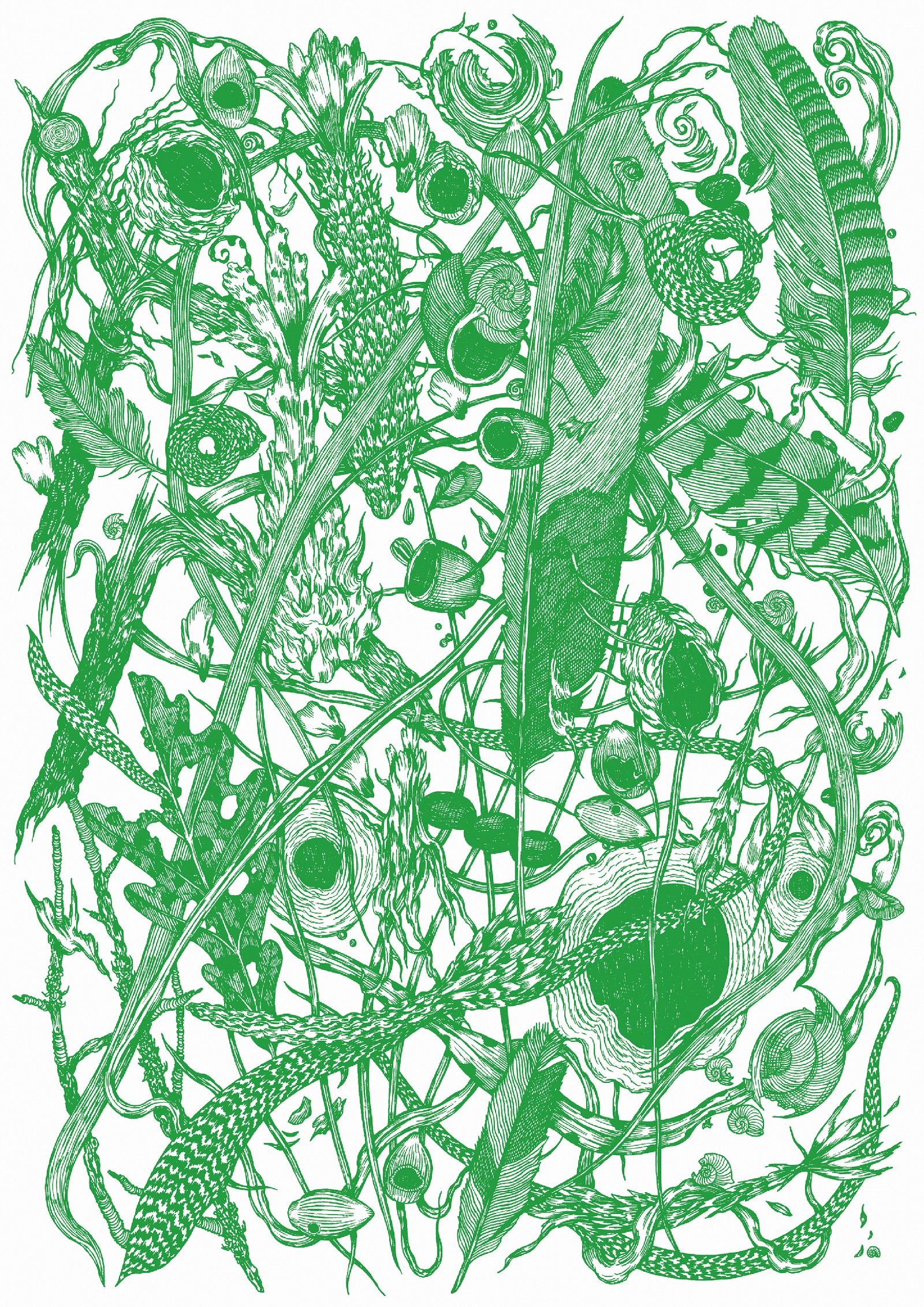
Drawing: © Anaëlle Clot
Finally, one last and very long leap back in time. A person walks slowly across a muddy plain under a light rain. They are not looking into the distance, as someone trying to orient themselves in the landscape might do; their gaze remains fixed on the ground. At first glance, the terrain appears uniform. But it takes only a moment of bending down and paying close attention to realise that it is anything but: the brown surface is dotted with fresh, deep footprints leading toward a grove of birch trees. Here and there, blades of grass lie flattened, tufts of hair cling to the low branches of bushes. A little farther on, a few still-warm droppings slowly dissolve into the mud. An animal passed through here not long ago. It walked with a heavy step, perhaps tired from the hunt and the meal that followed. Perhaps it is now hiding in the grove, where among the trees there is a pond to drink from and thickets in which to take shelter. Night will soon fall. It would be wiser to keep one’s distance.
What unites these episodes scattered across time—episodes to which the historian Carlo Ginzburg alludes in his essay Clues: Roots of an Evidential Paradigm—is the same mental operation. In each case, someone finds themselves confronted with a reality that cannot be observed directly and must be reconstructed from clues: a minor detail in a painting, something that catches the eye along the edge of a road, a slip of the tongue in a conversation, footprints in the mud. The event itself is no longer present, yet it has left behind a series of scattered signs. The work of knowledge consists precisely in connecting them, patiently, until plausible patterns begin to emerge, much like a detective in a crime novel.
Drawing on examples such as these, Ginzburg proposed recognising the existence of a particular form of knowledge that cuts across very different disciplines, which he called the “evidential paradigm”. It is a way of knowing that proceeds less through general laws or abstract demonstrations than through the interpretation of clues—tiny, marginal signs that, if observed with sufficient attention, allow one to trace back to a broader reality. In this kind of knowledge, what appears individual or singular is not a residue to be eliminated in order to reach a more stable generalisation. On the contrary, it is the very point from which knowledge—situated knowledge—takes its momentum. This amounts to a genuine epistemological revolution: to consider the unrepeatable as the very condition that makes interpretation possible overturns a long tradition of scientific thought that sought, instead, to ground knowledge in the elimination of the particular.
In the 1970s, it was precisely around this intuition that what came to be called microhistory began to develop in Europe. Figures such as Ginzburg, Giovanni Levi and Carlo Poni proposed complementing the great structural syntheses of historical scholarship with close attention to marginal subjects: the community of a village, a judicial trial, the trajectory of a particular individual. The term micro does not so much refer to the size of the object of study as to a change in the scale of observation: looking closely makes it possible to perceive tensions, practices and forms of experience that remain invisible when the historical landscape is observed from too great a distance. As Giovanni Levi writes, it is a “search for truth related to the conflictual and active way in which people act in the world”, a search that proceeds through knowledge of the individual without renouncing precision or scientific ambition. This way of looking closely, of paying attention to details and situated experiences, resonates strongly with the way we work within least. When we carry out investigations in a territory in order to imagine co-creative artistic projects, we often adopt a similar approach: we focus on the micro scale—practices, narratives, uses—and place great value on lived experience, which complements and sometimes shifts theoretical frameworks.
The evidential paradigm also highlights a broader tension in the history of science. Since the early modern period, many disciplines have sought to ground their legitimacy in the use of quantitative instruments, in the ability to measure, to count and to establish statistical regularities. Yet there are domains of knowledge, such as the human sciences, where understanding cannot dispense with a confrontation with the singular case, with what cannot be reduced to a numerical series. The symptom of a patient, the handwriting of a manuscript, an archival testimony, these are not simply data among others. They are individual signs that demand interpretation, that escape any attempt at measurement and that carry a profound significance.
The evidential paradigm may appear to be a merely refined epistemological problem, but it is in fact a method that highlights the importance of experience and that, quite coherently, has its roots in a practice: hunting—the reading of traces left on the ground, the deduction of an invisible presence from signs scattered across the landscape. Some scholars have indeed suggested that a first form of narrative thinking may have emerged within hunting societies: the cognitive capacity, which we share with other animals, to connect dispersed signs into a coherent sequence of events. Footprints embody the paradox of a presence that is no longer there yet can be reconstructed from the traces it has left behind. Perhaps it is from this experience that a more general capacity arose: the ability to think in symbols and signs. Through many transformations, this capacity leads to art, to speech, to writing and to history itself: this very page where I, who wrote a few days ago, and you, who are reading at this moment, coexist—and from which someone, many years from now, may perhaps infer something about the beginning of the twenty-first century.
Emergency and Cocreation
Antonella Vitale is an architect who has spent part of her career designing refugee camps. Today, talking about displaced people and temporary spaces is not only a way of addressing humanitarian crises, it also implies a broader reflection about what it means to live and cohabit in a world marked by instability and climate change. The experience gained in these contexts shows that it is possible to meet basic housing needs even with limited resources, by directly involving communities and experimenting with more flexible and appropriate solutions. In refugee camps, co-creation and adaptation strategies emerge that can inspire a more general approach to architectural design. At a time of ecological emergency and forced migration, understanding how to ensure dignified living conditions in precarious situations means questioning the vulnerabilities of our own cities and rethinking the ways in which communities can be involved in the construction of living spaces.
What is the link between ecological emergency and migration?
Environmental problems, such as the scarcity of natural resources, desertification, and ecological disasters, are often closely linked to conflict and migration. The construction of refugee camps also brings its own challenges. For example, a side effect of their presence is deforestation, as displaced people need wood for cooking and, in some cases, their settlements expand. It’s important to remember that these people often live in tents for years and build temporary structures of their own accord.
How long are we talking about?
The average time spent in a camp is 17 years. That’s why humanitarian culture has evolved over time: in the past, we simply provided food, water, and temporary accommodation. Today, the aim is to offer as normal a life as possible. Rather than providing temporary accommodation, the idea is to house displaced people with local residents or in reallocated structures, if the local authorities allow it. Refugee camps do not facilitate integration because they create ghettos; they are now seen as a last resort.
What type of facilities are generally available to these populations?
Tents and containers are among the most expensive options in non-European contexts, if only for transport. Tents, in particular, are very precarious and uncomfortable, and depending on the climate, might only last six months. In addition, camps are often set up on land that hasn’t been built on, and there’s usually a good reason why: it could be prone to flooding, too hot, or impossible to cultivate. In general, it remains crucial to move as quickly as possible from the emergency response phase to a transitional phase, and then on to greater stability.
Have you had any experiences of this kind in your work?
During my assignment in Mozambique, I was involved in extending a refugee camp to accommodate an additional 5,000 people. I took over the project after the departure of my predecessor, who had encountered a number of management difficulties. One of the main problems was the fires lit by the camp residents in protest. When I arrived, the situation was complex, and the safety rules were very strict: I had to respect a time limit in the camp and return to my base before sunset. It was one of my first experiences, and I found myself faced with a major challenge, with no clear guidelines on how to proceed, and few resources.
What approach did you take?
I chose to maximise my time in the camp by starting to interact with the different communities. The camp was home to groups from the Great Lakes region of Africa, people marked by deep-rooted tribal conflict. I tried to understand their situation and involve them in the decision-making process, giving them the task of pointing out problems and essential needs. If I hadn’t done this, there would probably have been opposition, because unwittingly, for example, we would have exacerbated enmities between clans by intervening in stories we couldn’t understand, and fuelling tensions.
What strategies did you use to involve the camp residents?
The key moment was the launch of the design and planning phase. I let the residents tell me their needs, aspirations, and preferences for the layout of the homes. For me, the most important thing was to respect the number of people to be housed, while the distribution of the spaces was up to them. This approach had a very positive impact on the feasibility of the project. My constant presence in the camp also helped to deconstruct the prejudice that international aid workers are distant, locked away in their air-conditioned offices or jeeps. By showing that I was willing to listen, I fostered a climate of trust.
How did you overcome the language barrier?
To facilitate communication and mutual understanding, I chose to display the project drawings in visible places in the camp. This aroused the curiosity of the residents, who approached me for information in order to take an active part in meetings. Thanks to this method, we were able to better define the distribution of living spaces according to the real needs of the community. In the end, the key element of this experience was not the technical aspect, but the ability to listen and respond to people’s needs, initiating a process of co-creation that made the project more effective.
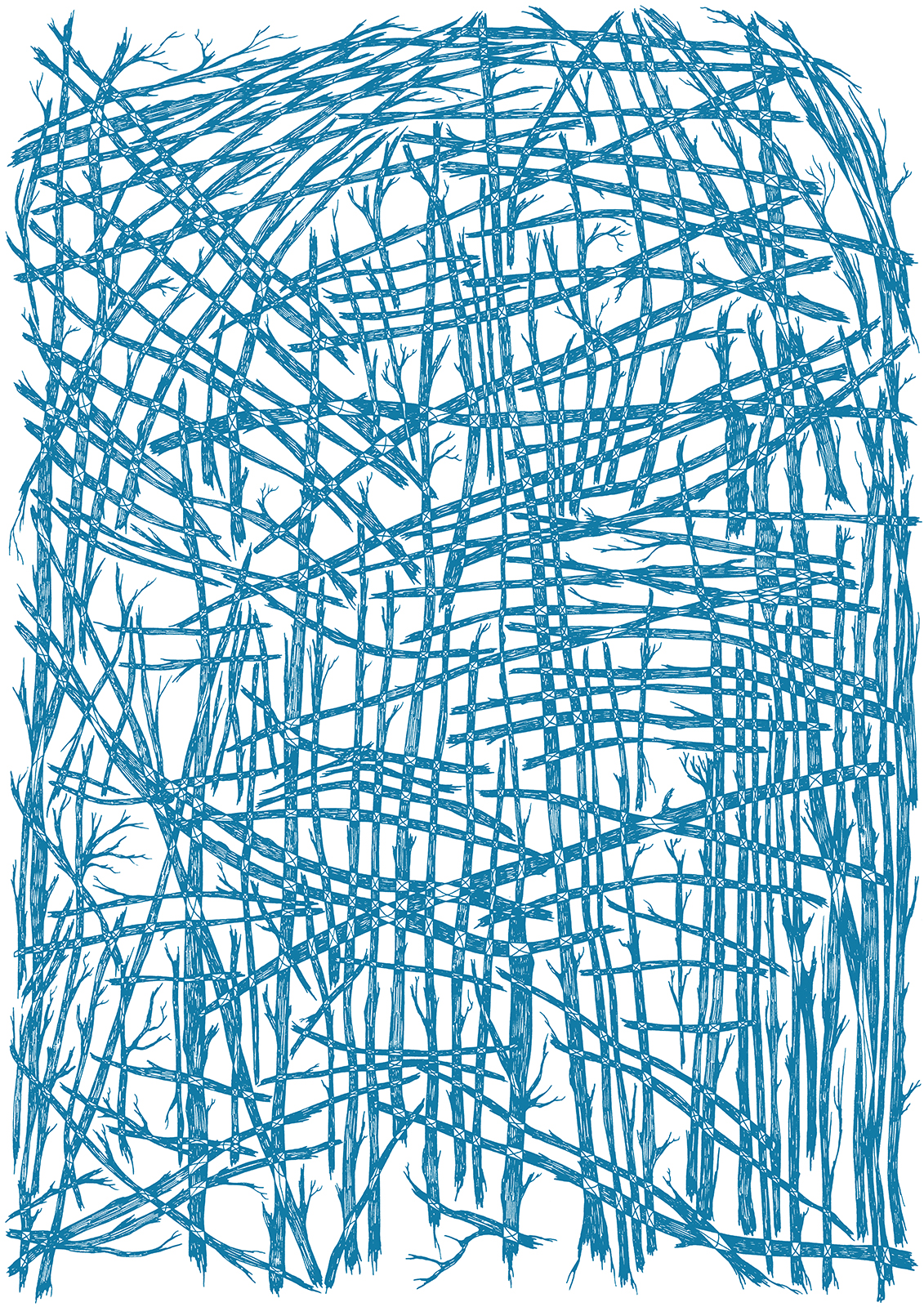
Drawing: © Anaëlle Clot.
How did you intervene in public spaces?
The camp included empty areas that served as natural gathering points, such as those around the water pumps, often located under large trees. One of these points was close to the therapeutic feeding centre for children under five and not far from the school. I analysed these existing synergies and integrated them into the creation of a sports field, strategically positioned to encourage physical activity and movement.
In addition, in this area I introduced a more structured communication system, using a tree as a display point for comments, suggestions, and complaints from the community. Although there was more criticism than praise, this system established a clear and direct channel of communication. My aim was to facilitate discussions between the operators and the community, gathering useful feedback to improve the management of the camp. When there’s participation, co-creation or at least an exchange of ideas, people are willing to get involved, especially if it has to do with buildings or the use of space.
How much freedom was there for self-designing buildings?
In Mozambique, we involved people in the construction of houses using local materials: reeds, earth, and straw. Each family was provided with the same quantity of materials, and they could then decide how to use them by appropriating the project. The idea was to move on from tents to very simple but permanent houses, in line with Mozambican standards. It’s also important to bear this in mind: when offering an emergency solution to a population from outside the country, you mustn’t go beyond what the most disadvantaged members of local society have, so as not to fuel tensions.
Are there other levels of co-creation that are desirable in such a context?
Before leaving their country of origin, displaced people had a trade, occupations, and passions. Mapping these skills is an asset that can be exploited to the full, firstly to integrate these people into the world of work and make them self-sufficient, and secondly to contribute to aid programmes for displaced people. Since resources are limited, taking advantage of local skills is a great opportunity. It’s not always easy, it takes time, and you have to meet people, but it’s of enormous benefit to the community, which feels respected rather than marginalised.
Are there any spontaneous practices in the public space that help to foster cohesion?
Food is an important tool of cultural identity, especially in contexts of great disorientation. The opportunity to grow traditional foods not only provides a means of subsistence but also enables people to maintain a link with their culture of origin and share it with the local population. This practice creates opportunities for cultural exchange, for example through small food outlets where camp residents can share their cuisine. It can also facilitate the exchange of agricultural or culinary techniques useful to both the refugee and host communities.
What is the relationship between emergency and planning?
Emergency and planning are almost antagonistic, because in an emergency situation, by definition, there is no time or opportunity to plan. However, we mustn’t fall into the trap of continuous emergency either, as that would be naïve, costly, and politically dangerous. In an emergency, many rules have to be waived. Legislation requires time, strict processes, and co-creation, but it is also the only way forward.
What can we learn from housing in emergency contexts?
In emergency contexts, we learn that delaying action progressively reduces the options available, until none are left. Today’s multiple crises, including climate change, teach us that it is essential to act in time, even in Europe, where, despite resources, cities are not ready to face current and future environmental challenges.
In some parts of the world, climate crisis is gradually rendering entire regions uninhabitable. The problem is not just rising temperatures, but the disappearance of vital resources, forcing people to migrate. However, global attention is more often focused on protecting against migratory flows than on long-term interventions to prevent crises.
press
Devenirs buissons : art and ecology in Versoix
Versoix Région, N°360, 19/06/2026
A new life for the Buissonnets site
Spatz Versoix, Newsletter, 04/06/2026
Devenirs buissons: come meet us
Versoix Région, N°355, 02/01/26